


TWiB is taking the weekend off, so just a brief one today. I hope your Memorial Day is a restful one.
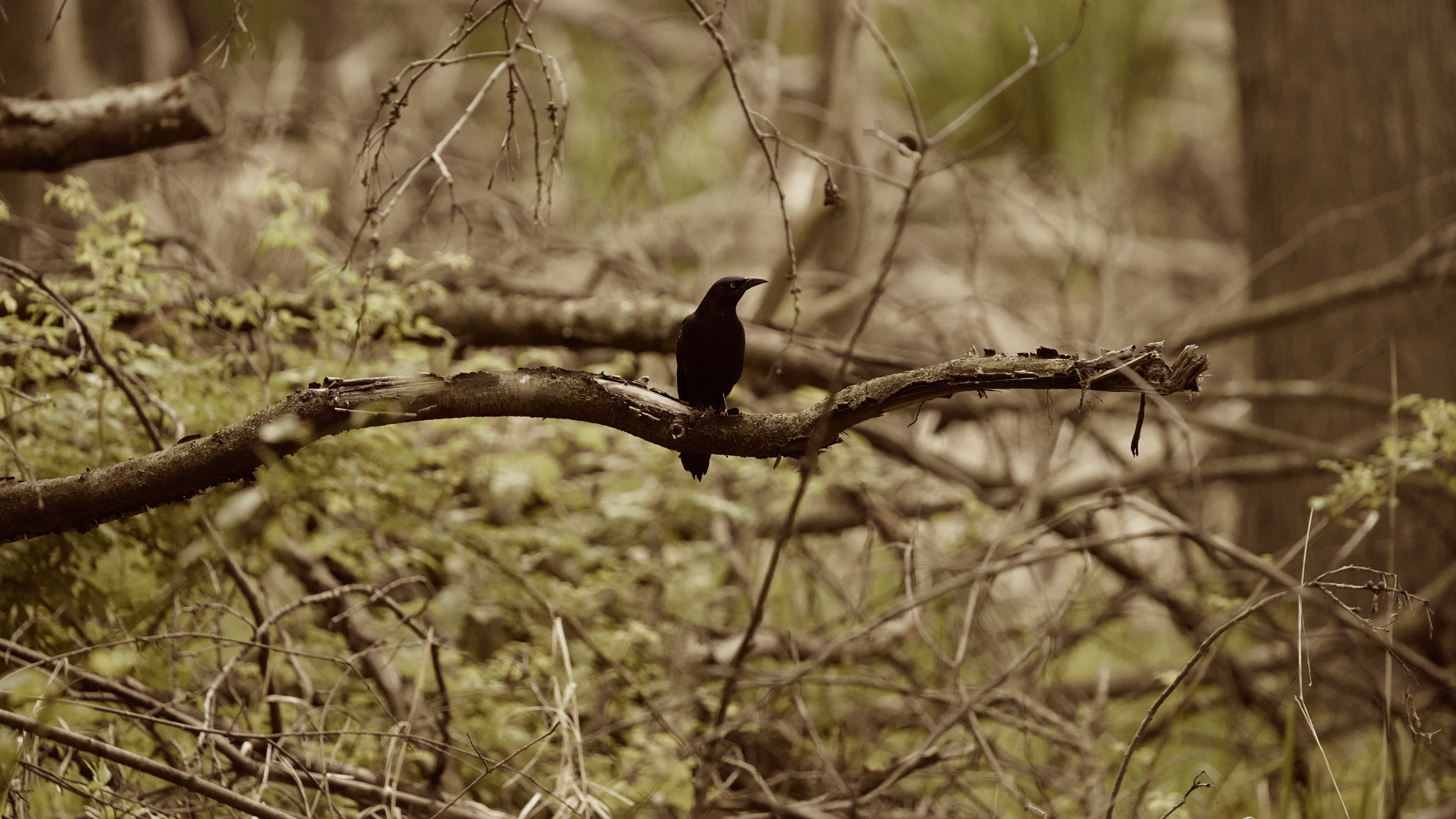
Hints to Observers
From Florence Merriam Bailey’s Birds through an Opera Glass, 1889.
When you begin to study the birds in the fields and woods, to guard against scaring the wary, you should make yourself as much as possible a part of the landscape. Most birds are not afraid of man as a figure, but as an aggressive object.
The observance of a few simple rules will help you to be unobtrusive.
First. Avoid light or bright-colored clothing.
Second. Walk slowly and noiselessly.
Third. Avoid all quick, jerky motions.
Fourth. Avoid all talking, or speak only in an undertone.
Fifth. If bird is singing and stops on your approach - stand still a moment and encourage him by answering his call.
Sixth. Make a practice of stopping often and standing perfectly still.
Seventh. Conceal yourself by leaning against a tree, or pulling a branch down in front of you. The best way of all is to select a good place and sit there quietly for several hours, to see what will come.
With these hints in mind, go to look for your friends. Carry a pocket note-book, and above all, take an opera or field glass with you. Its rapid adjustment may be troublesome at first, but it should be the “inseparable article” of a careful observer. If you begin work in spring, don’t start out before seven o’clock, because the confusion of the matins is discouraging — there is too much to see and hear. But go as soon as possible after breakfast, for the birds grow quiet and fly to the woods for their nooning earlier and earlier as the weather gets warmer.
Reminder: I’ll be teaching a class at Chicago Botanic Garden* for four weeks starting June 8—seats are still available! Curious about the intersection of birds, art, and history? Birds in art do not begin and end with John James Audubon. Delve in and learn about the stories of various birds through historic materials, including the works of Francis Willughby, Mark Catesby, Thomas Bewick, Sarah Stone, and lesser-known figures in bird conservation such as Wisconsin’s Kumlien family. We’ll also get a chance to visit the Lenhardt Library at the Garden and explore rare texts in-person. Learn more here.
*Garden membership is not required to take the class.
I enjoy Florence Bailey's suggestions for birding, especially sitting still for a long time waiting to see what happens! Too bad she feels obliged to write a "man's figure" or shape does not pose a problem, rather than a "woman's figure"!! The writing conventions have not caught up with her free spirit!