


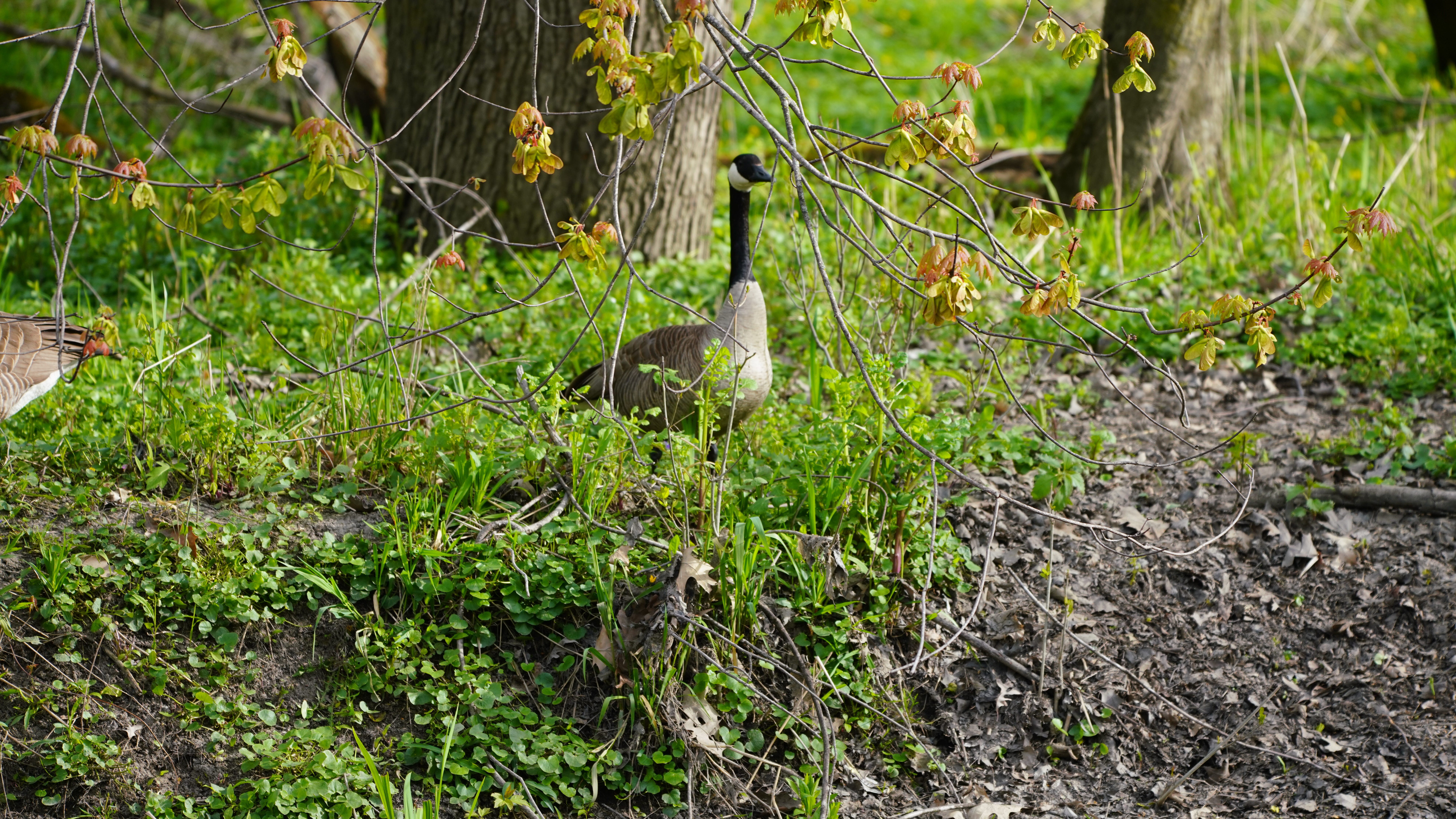
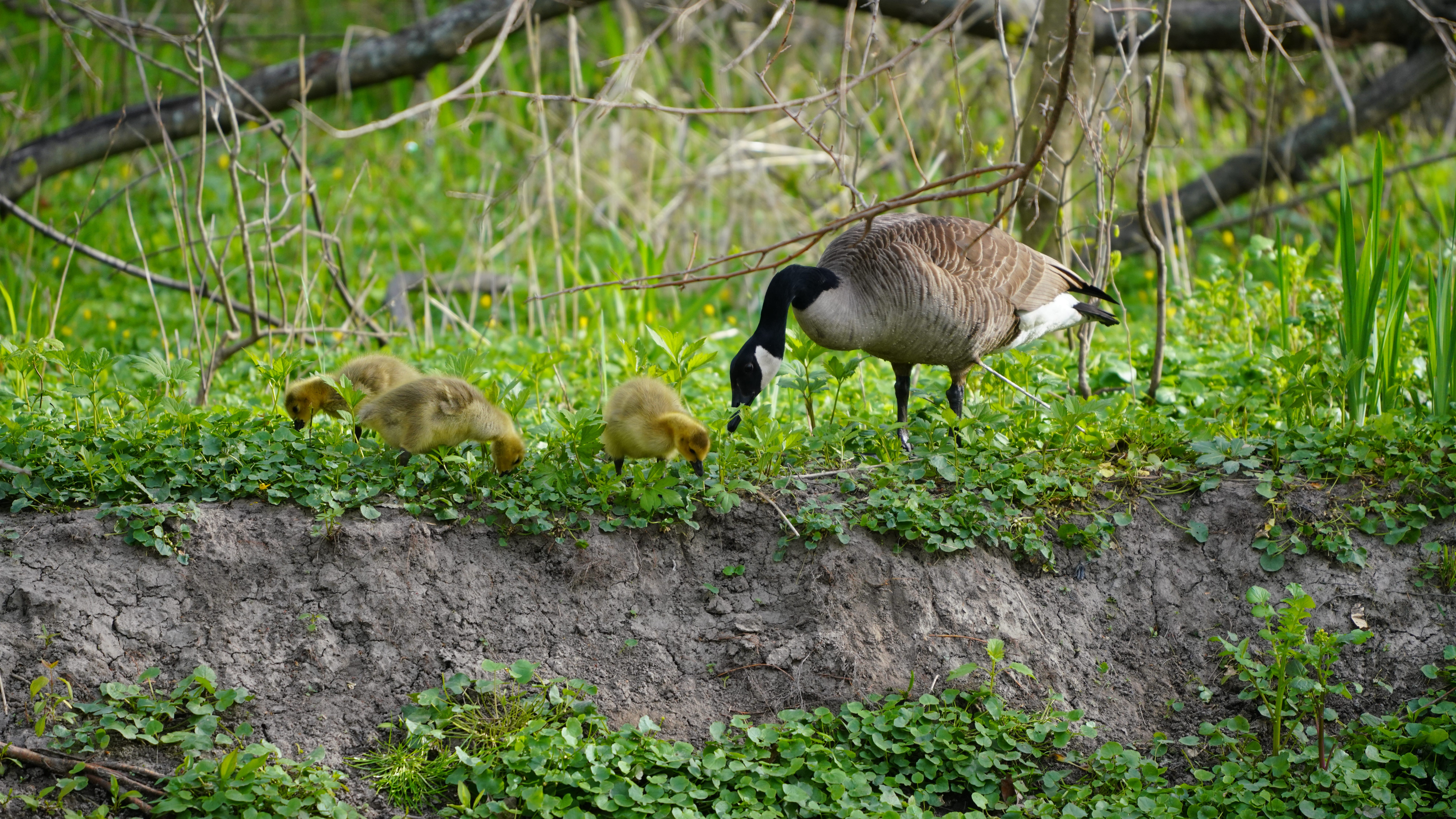
I was walking in a bottomland forest a couple springs back, enjoying the greenish surroundings and a bit of warmth from the sun. It was far enough along in April that goslings had already hatched. They were on the opposite bank of a creek, nibbling on some ground cover with their parents. A third adult goose stood off to the right and appeared to be alert, scanning the embankments and vernal pools for threats. It wasn’t clear to me what was going on at first, but eventually I concluded that this goose was lingering as a helper to the parents. Perhaps it was a sibling of one of the adults, staying nearby so the fresh brood had extra protection.
It wasn’t always known that unmated birds might help a breeding pair. But in a 1935 article for The Auk, the great ornithologist Alexander Skutch1 published his findings that Brown Jays on the border between Guatemala and Honduras had exhibited cooperative breeding. Skutch identified three types of bird assistants: 1) Juvenile helpers; 2) Unmated helpers; and 3) Mutual helpers. Helper birds aided Brown Jays by bringing food to a mother during incubation and by fending off intruders. They also used their wings to shade nestlings from the sun on hot days.
Skutch and others2 went on to show that many species relied on bird helpers to ensure breeding success. King Penguins famously may feed multiple chicks aside from their own. The Long-tailed Tit, one of the smallest and cutest birds in Europe, often turns to one or two unmated birds to help parents feed nestlings. Skutch notes that the helpers didn’t necessarily join in the nest at night for roosting, but instead likely stayed outside on their own, “cuddled together in balls in dense thickets or sometimes in old nests of their own species or of Winter Wrens.” Some of these birds may be from previous broods. Some could be first-year birds that are not yet sexually mature.
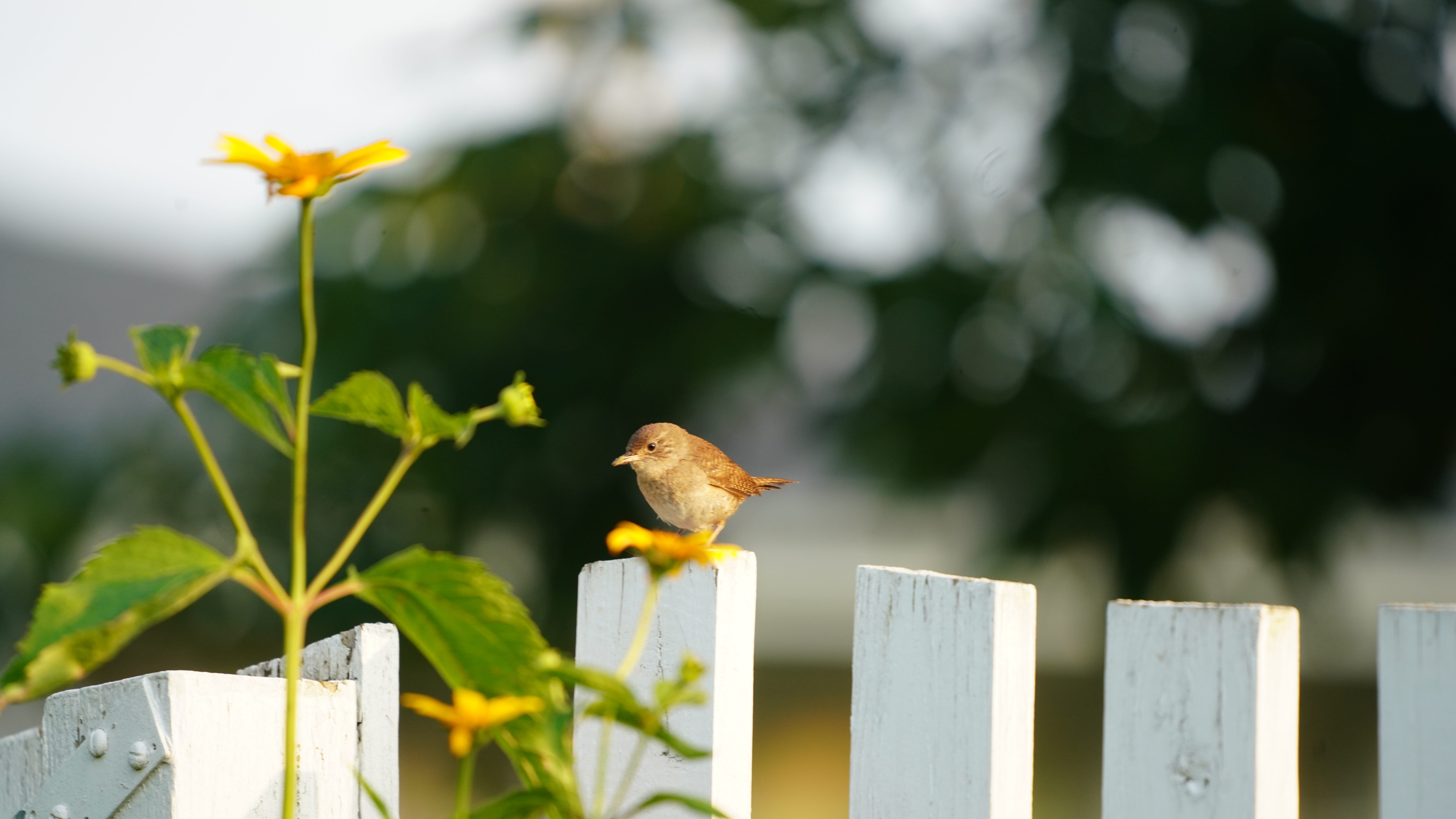
Speaking of wrens, the Southern House Wren of Central America shows some interesting behavior that verges on helper status. Skutch observed that a young wren would stay with—and sleep with—its parents several months after fledging. On the other hand, Northern House Wrens, the species we’re more familiar with here in the Midwest, face a shorter breeding season and typically have two broods. The adults may permit young to linger in a nest box a few days, but once it’s time for another brood they’ll keep the juveniles away.
As we’ve seen here with our Piping Plovers, males and females share incubation duties and both sexes brood the chicks. Bank Swallows, another species at Montrose Beach, do the same. Skutch relates a story about observing a pair of Blue-throated Motmots in their burrows. In an experiment, he removed one motmot from the burrow as it was incubating. The other motmot took over without a sound.
In winter, we see multiple species coming together for greater protection while feeding in the cold woods. Golden-crowned Kinglets flock with each other and with other small songbirds including Tufted Titmice, Yellow-rumped Warblers, Downy Woodpeckers, Black-capped Chickadees, and White-breasted Nuthatches. There is strength in numbers, more birds on alert, together making it known where the food is.
All of this suggests that there is an evolutionary advantage to helping and that altruism is far from superfluous or frivolous. We humans could take a lesson from that, too. Everyone can lend a hand once in a while.
Skutch, Alexander F. (1935) “Helpers at the Nest,” The Auk: Vol. 52: Iss. 3, Article 4.
Skutch, Alexander F., Birds Asleep, Austin: University of Texas Press, 1989.
You can learn all about helpers in my book, Social Lives of Birds. That extra goose is much more likely to be a young of the parents than a sibling. Nice post!
I was going to put a comment about how community and helpers is a biological survival strategy that humans need to remember from historical examples, but you summed it up with your one succinct sentence!